Aysia Tse
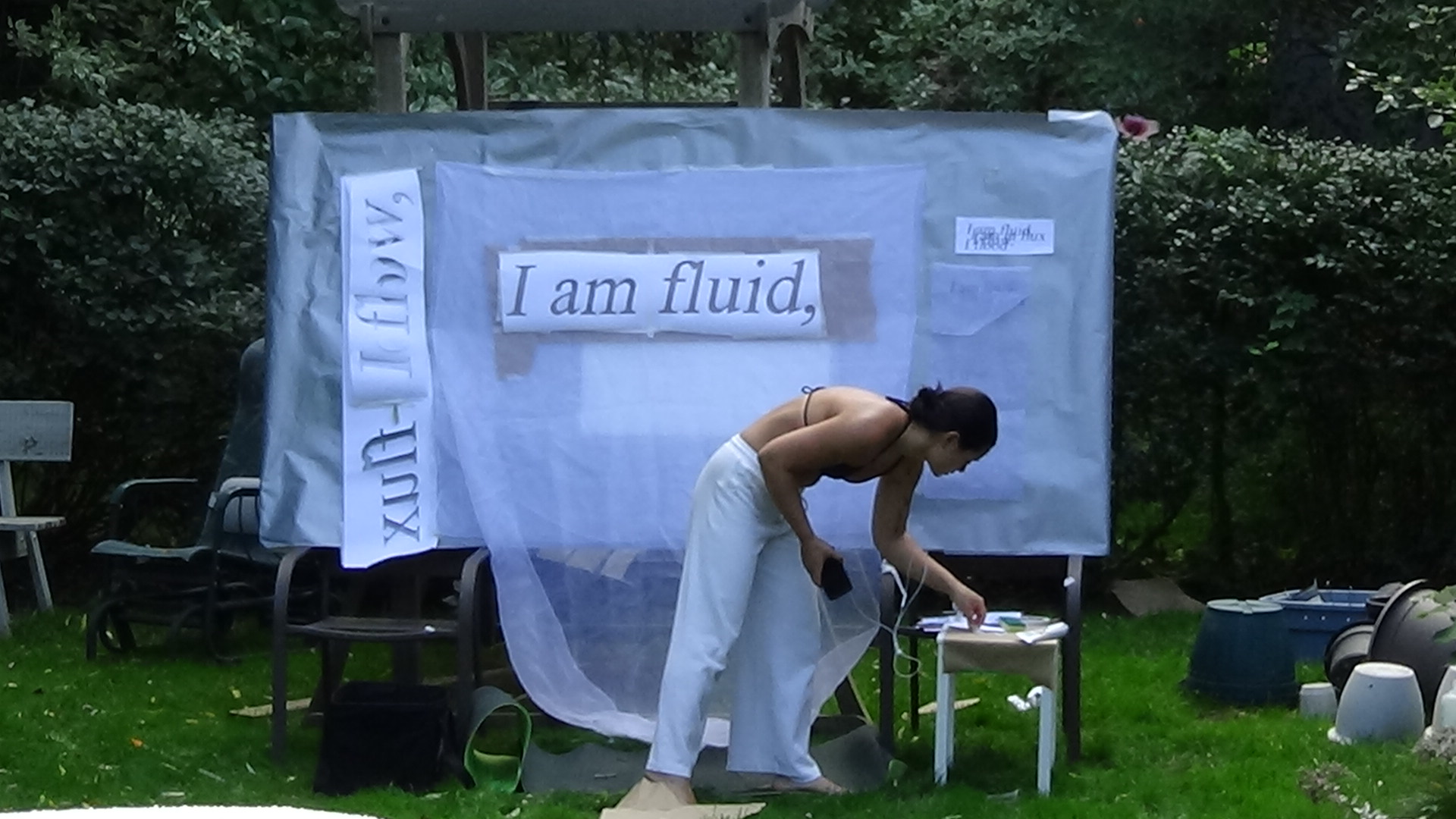
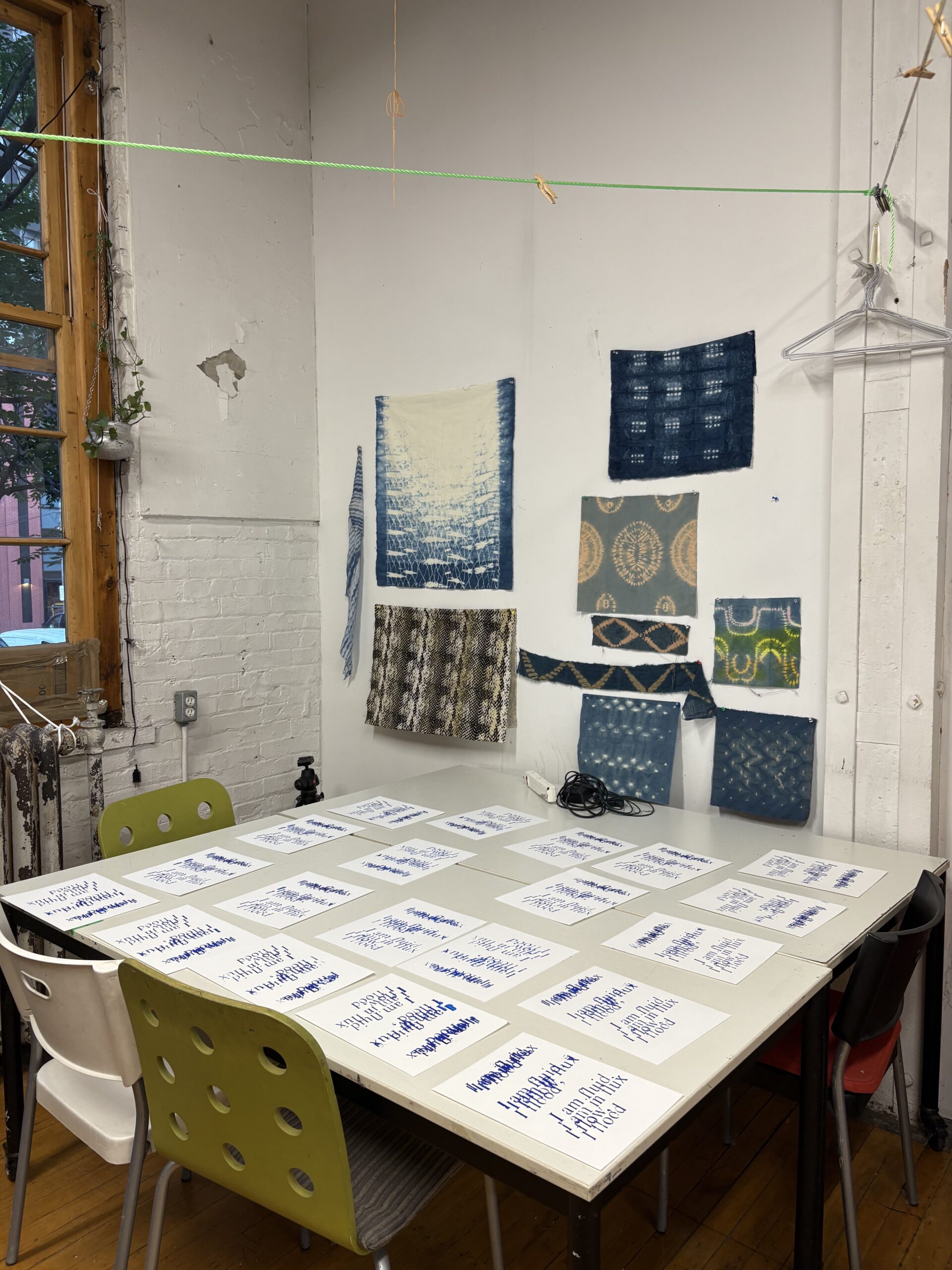
SAVAC is pleased to host Aysia Tse for an artist residency in support of her ongoing material and theoretical research. Over the coming months, Aysia is further developing a fabric installation previously shown in the group show An irritant sweet as a grain of sand curated by Shalaka Jadhav in January 2024 at Xpace Cultural Centre. Featuring text she wrote for a collaborative student zine centered around disability justice and active allyship, the next iteration of this work will investigate the bodymind as a site of shifting embodiment, negotiated needs and capacities. Aysia will draw from the generational knowledge of disability justice activists, advocates and artists who inform her understanding of disability, crip time, access intimacies, and creative access to create a work that calls on us to resist and dissolve colonial logics and standards.
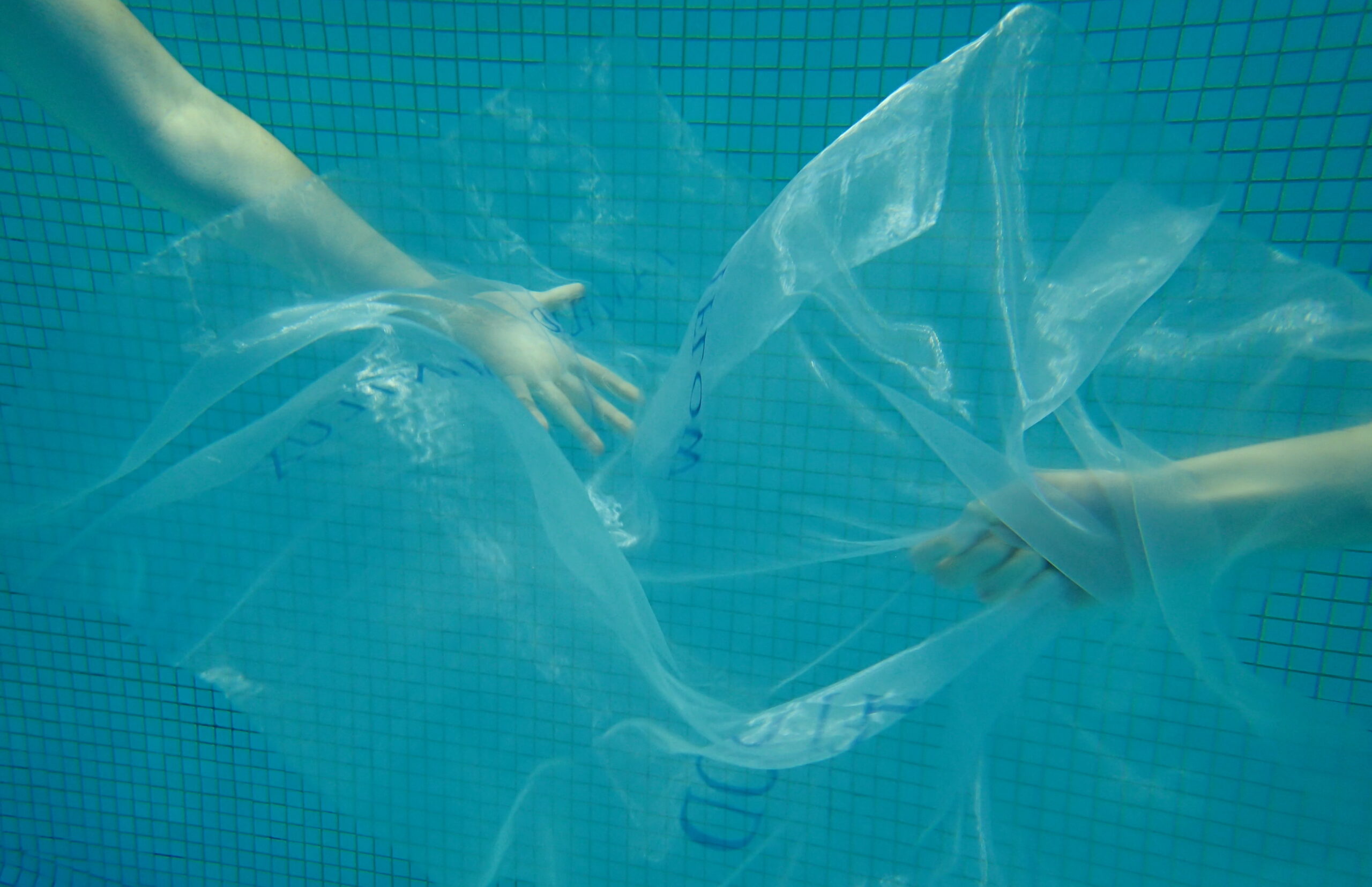
Join SAVAC at the Hart House pool for Aysia’s performance!
Saturday, 8 August 2026, 6:30-8:30PM
Hart House Pool (basement of Hart House, 7 Hart House Circle)
Performances by: Aysia Tse & (H)annah Kryworuchko, pool notes and (mis)alignments Mikiki, SPLASH PAD
Check out the full POOLBODY schedule.
Notes from Aysia on her residency:
I am fluid
I am in flux
I flow
I flood
It’s been a long year and a half! Looking back, I’m realizing just how much my practice has grown.
During my residency with SAVAC, I started by developing a fabric-based installation work I had previously shown in January 2024 at Xpace Cultural Centre. It featured a text I wrote for a collaborative student zine centered around disability justice and active allyship in 2023 — it was my first time learning about disability justice, and I wanted to make work about the bodymind as a site of shifting embodiment and capacity.
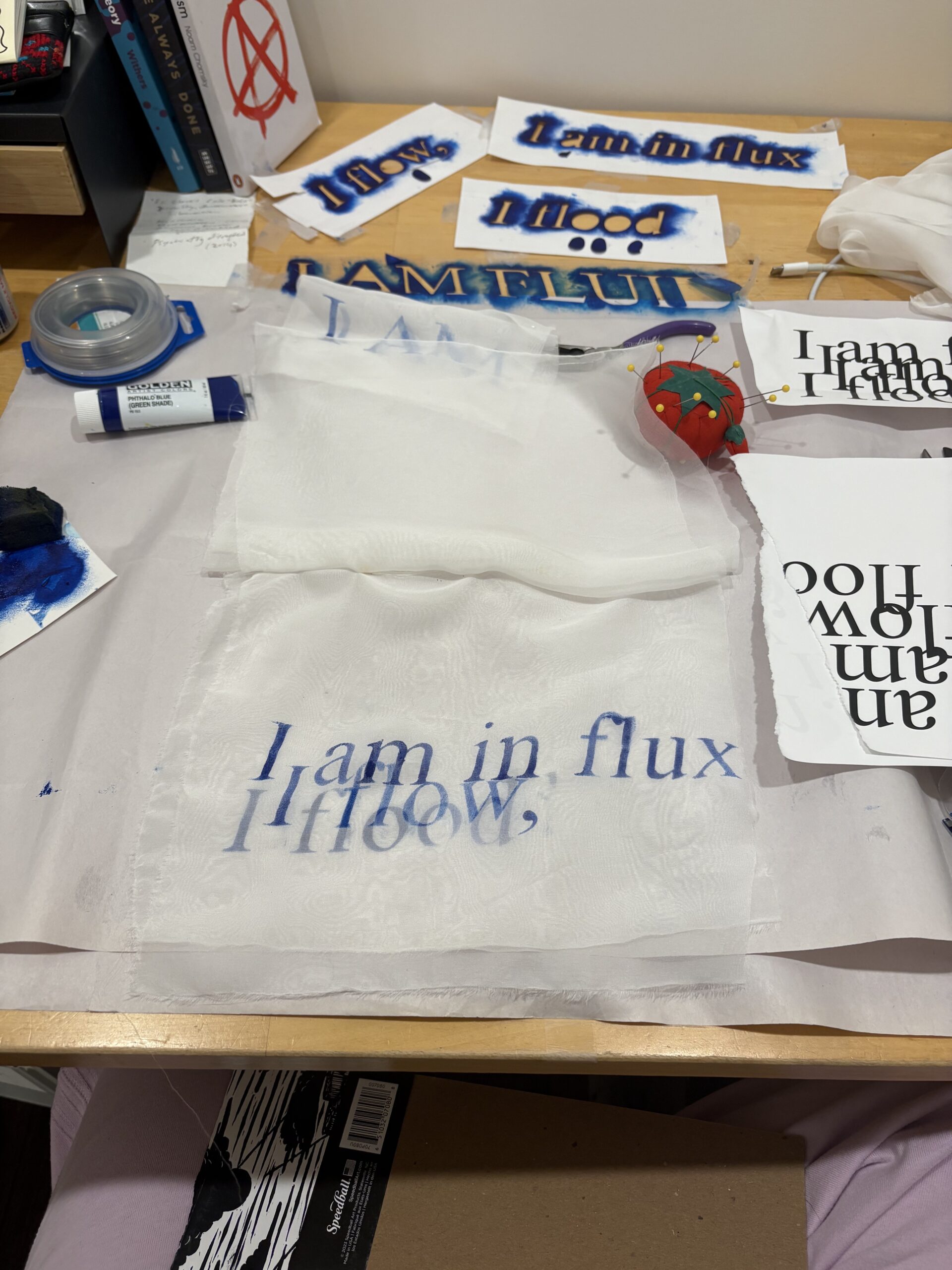
I continued with material exploration. Not being a textile artist or someone experienced in working with fabrics, Abedar connected me with Rashmi Varma who gave me insight into how to choose fabrics and prepare them for printing or dyeing. I remained in dialogue with Shalaka Jadhav, the curator of the Xpace exhibition where I had originally shown the work in progress. We talked in the sun-filled 401 Richmond courtyard. It felt affirming to talk through the work, what I was having a hard time with, what I was excited about, and to receive Shalaka’s support in thinking through installation, scale, and conceptual directions.
I was also lucky to meet Jenna Reid. Jenna gently encouraged me to spend more time with mad theory and Mad Pride, alongside readings on disability justice, arts, and culture. She shared her textile solidarity practice and experiences working in a disability arts organization in Vancouver. It was amazing to hear her perspectives and understandings of crip art and aesthetics. I was experimenting with the text composition and layering at that time, and Jenna showed me how to screen print for the first time.
I spent more time reading mad theory, disability justice, disability arts and culture, psychiatric survivorship and crip-centred practices. Books like Care Work: Dreaming Disability Justice by Leah Lakshmi Piepzna-Samarasinha have been central to my learning and thinking about the ways we give, receive, and sustain care as disabled people.
At some point in there, I graduated with my BFA! I put my head down to finish my thesis while working an arts administration job, coaching, and as a peer support worker within OCAD’s Student Wellness Centre. In that role, I was developing the “Students in Distress Protocol.” I was thinking so much about being mad in academic spaces and reflecting on how we can create safe(r) spaces in art academic institutions. It continues to shape how I understand care, crisis, disability, and institutional responsibility.
Concurrently, I was working on a community arts project called We Are All Water Protectors as one half of the tiny cultural centre. The project was a collaboration with Noojimo’iwein Gitigaan Healing Garden and the Indigenous People’s Solidarity Group. It included art-making workshops and discussions around personal, relational, and political connections to water, culminating in a site-specific installation. During the project, my co-organizer and I were offered Anishinaabe water teachings that expanded my understanding of water as a relational and political space — and as a living entity.
Still working on the initial project, I struggled to work with fabric. I felt creatively burnt out. My BFA had taken me six years to complete and I was tired. It was difficult for me to make and work materially. Slowly, I got back to things. I listened to the resistance and found myself leaning more into movement, beginning to explore a water-based choreographic methodology.
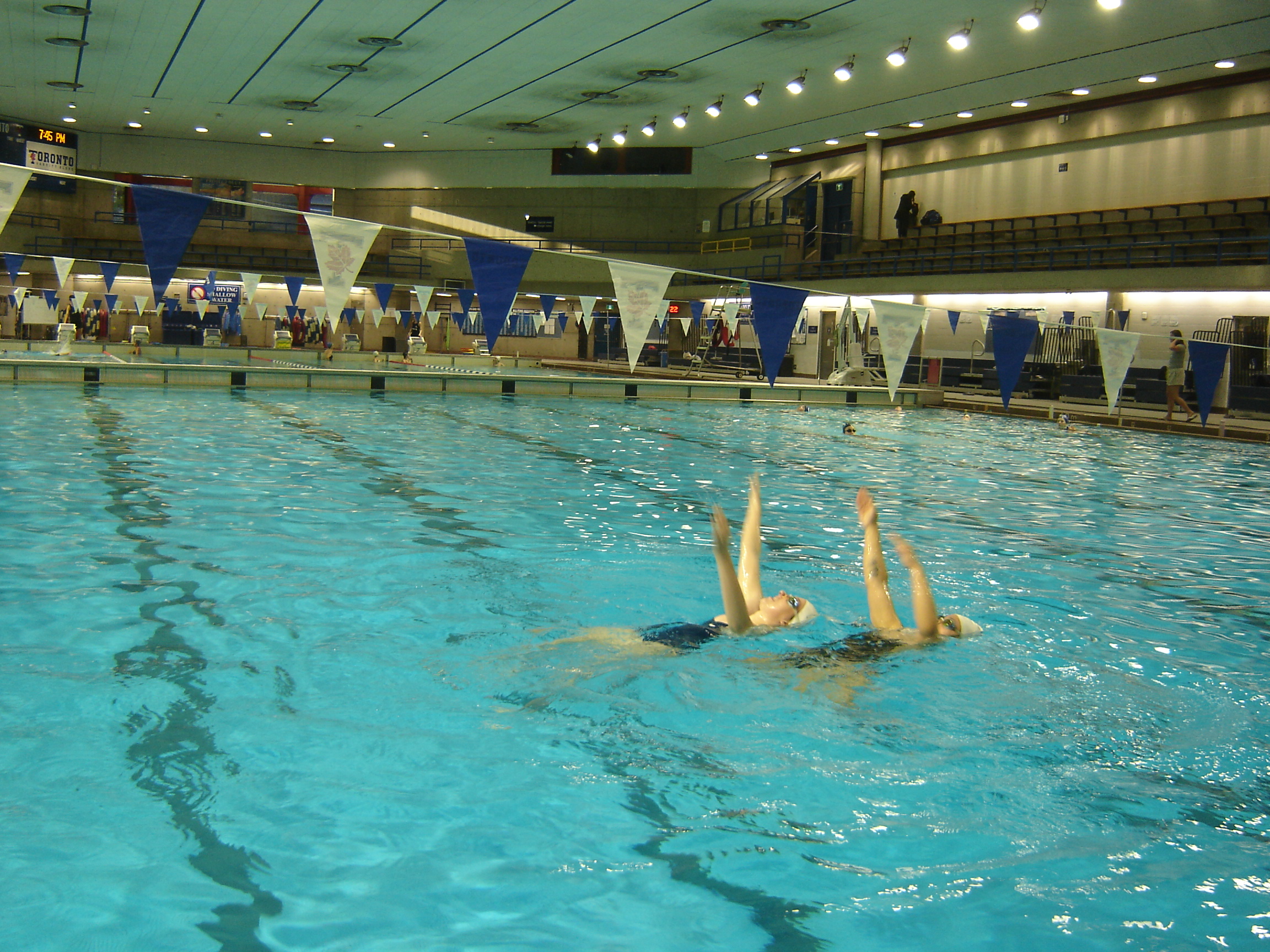
My non-arts job is coaching artistic swimming, where I co-lead a club of 90+ young athletes. Over the past year, I developed our adapted programming for athletes with disabilities. At one of our free “Try Synchro” events, I worked with two autistic non-verbal swimmers. Their stimming and vocalizing joy and laughing and screaming with delight has stayed with me. It reminded me that water can hold endless ways of moving, being, communicating, and relating that don’t depend on normative expectations of conformity or performance.
Gradually, all my coaching, art-making, reading, swimming and moving propelled me towards performance. I am excited to be developing my first live performance, which grew out of conversations and connections fostered through my residency with SAVAC. The piece, pool notes and (mis)alignments, explores kinship among trans, queer, mad, crip and femme people. Much of the discussion and thinking around this project with my movement partner H centres on questioning the systems of alignment and conformity that we rehearse in our bodies and relationships. It’s a project that carries my original questions from the fabric installation into the water. I am considering how aquatic space can support fluid ways of being, interdependence, and a softening of the rigid standards shaped by my background in competitive artistic swimming and coaching.
The performance will be presented on August 8, 2026 as part of POOLBODY, a performance series curated by Shalon T. Webber-Heffernan.
Reflecting back, it feels like the residency wasn’t about completing one work, but slowly seeing where my practice wanted to go with the concepts, ideas, inclinations and curiosities I originally started with. I’m really excited to continue on and keep following it. Now, I’m rehearsing for the performance, coaching summer training, and getting in bits of rest where I can.
-Aysia Tse
Aysia Tse (she/her) is a Singaporean-born visual artist, facilitator and arts worker based in Toronto. Her practice involves movement-based work, performance and multimedia installations that engage themes relating to madness, queerness, and her mixed diasporic identity. She holds a Bachelor of Fine Art from OCAD University. Her work has been exhibited by the Asian Arts and Culture Trust (2025), Gallery1313 (2025), Trinity Square Video (2024), Xpace Cultural Centre (2024), Ignite Gallery (2024), Rendezvous with Madness Festival (2023), and Long Winter TO (2022). She has completed residencies with SAVAC, Toronto Dance Theatre and the Public Visualization Lab. Alongside her creative practice, Aysia is a competitive artistic swimmer and a Lead Coach at the Toronto Artistic Swimming Club, where she leads over 100 young athletes in inclusive sport programming. Her background as a professional coach and high-performance athlete informs her interests in bodily inquiry and embodied performance.
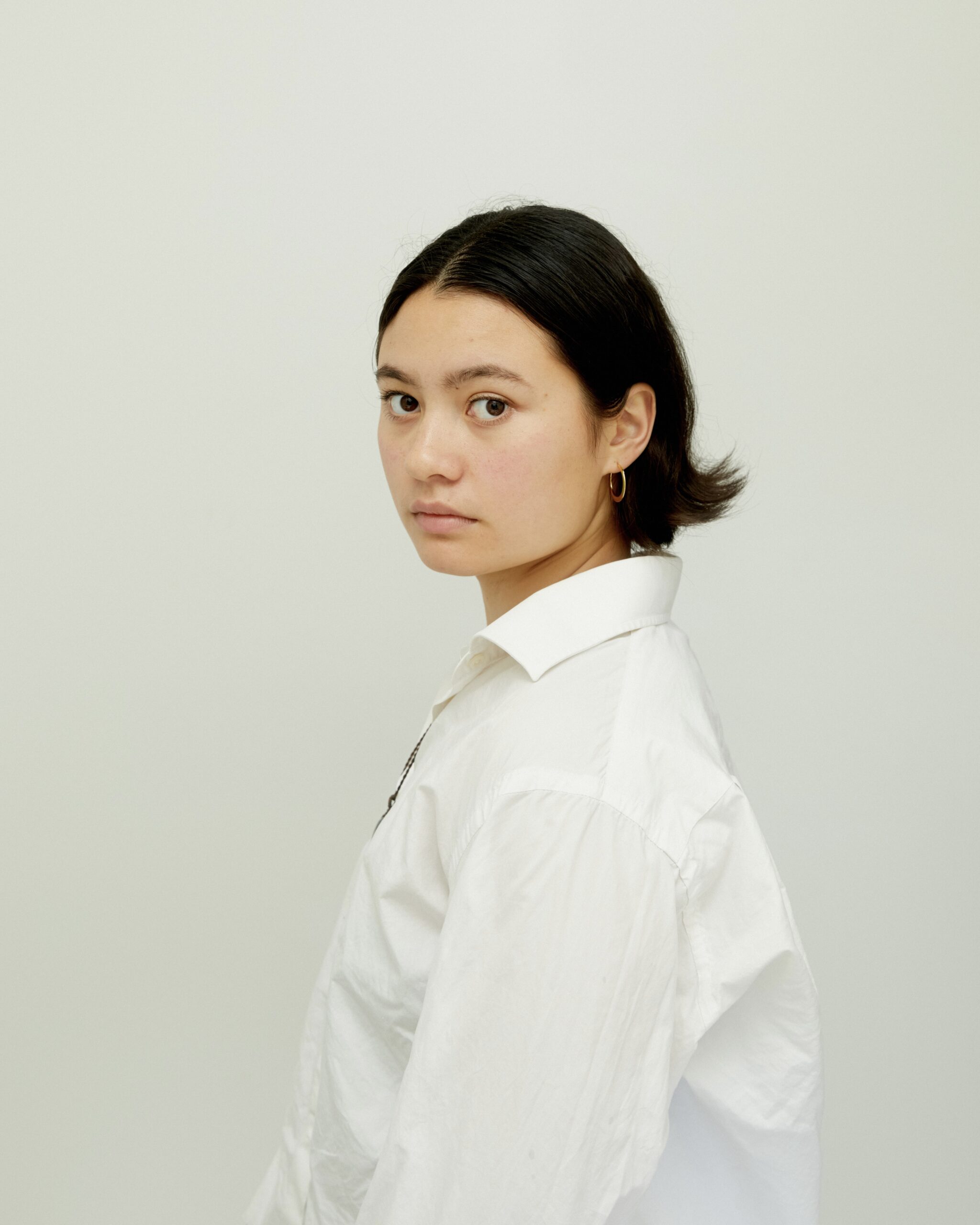
Photo caption and credit: Feature image of Lan Florence Yee and Aysia Tse in process. Photos by Vivian Si Zeng
GALLERY